Bar With Private Room Checklist for Stress-Free Event Planning
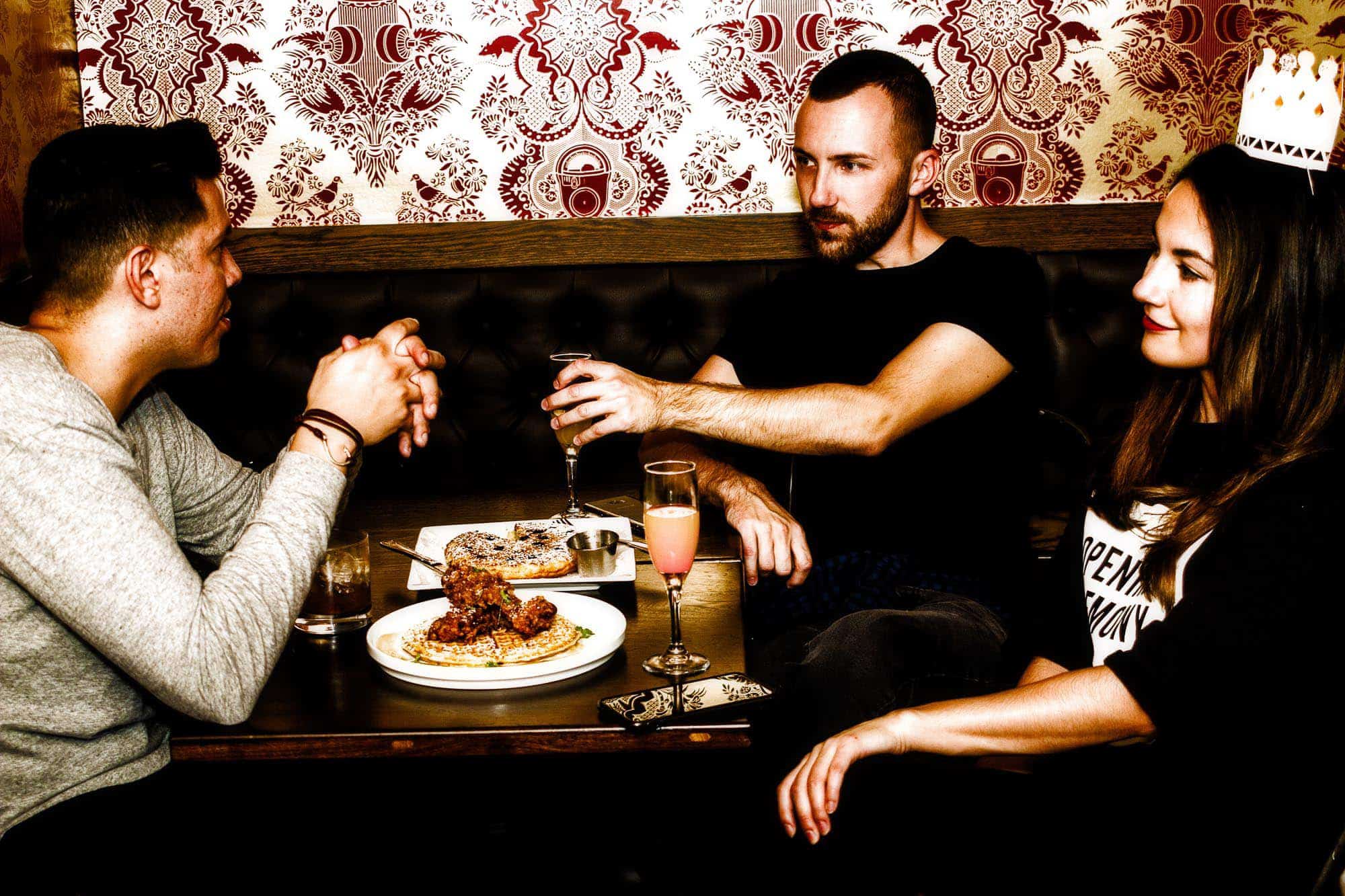
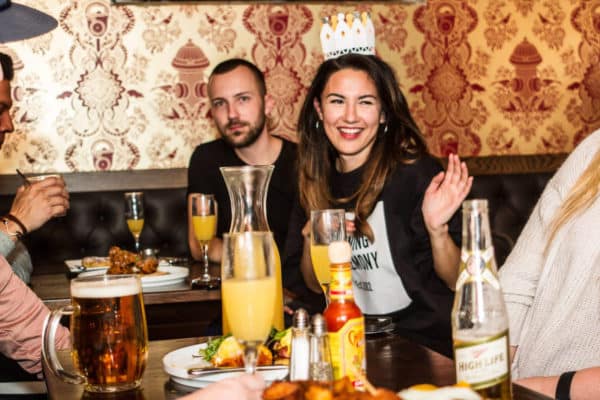
Planning an event inside a Bar With Private Room sounds simple until the small details start multiplying. The room looks great in photos. The drinks list is appealing. The location is convenient enough. Then the real questions show up. How private is "private"? Who controls the music? Is there a food minimum? What happens if ten extra guests arrive? Can speeches actually be heard over the main bar crowd next door?
That gap between a promising venue tour and a smooth event is where most stress lives.
Private rooms inside bars can be excellent event spaces. They strike a useful middle ground between a full restaurant buyout and a generic meeting room. They tend to feel social from the moment guests arrive, which matters for birthdays, rehearsal dinners, networking nights, team celebrations, retirement parties, launch events, and low-pressure client gatherings. At their best, they create energy without requiring the host to manufacture it. At their worst, they become expensive holding pens with bad acoustics, unclear minimums, and too little staff support.
The difference usually comes down to planning, not luck.
A strong venue checklist helps because it pushes the right questions forward before deposits are paid and invitations are sent. It also protects you from the kind of avoidable problems that only become obvious once the room is full and the tab is open. After years of seeing private events go both beautifully right and painfully wrong, I can say this with confidence: the hosts who seem relaxed are rarely winging it. They have simply made the important decisions early.
Start with the event you are actually hosting
Before contacting venues, get honest about the kind of night you want. Hosts often begin with a budget and a date, which makes sense, but the smarter starting point is the event's purpose. A cocktail-style networking event has different needs from a 40th birthday. A company happy hour can tolerate more background noise than an engagement dinner. A reunion may need room to mingle, while a product launch may need reliable AV and space for a short presentation.
This sounds obvious, yet many private-room bookings go off track because the venue is selected for vibe alone. Good lighting and a polished back bar can distract from practical issues like seating flexibility, service speed, or whether guests can hear one another without leaning across the table.
Think through guest behavior, not just guest count. Fifty people who drift in over two hours create a different flow from fifty people arriving within fifteen minutes. A holiday party with heavy drinking and casual food stations needs different staffing from a professional mixer with one signature cocktail and passed appetizers. If a quarter of your guests do not drink alcohol, the bar program matters, but so do the nonalcoholic options and whether the staff takes them seriously.
Once you know what kind of evening you're building, venue choices become clearer. Some private rooms are best for intimate gatherings where conversation matters. Others are really overflow party spaces attached to a lively bar. Neither is wrong. They just serve different goals.
What "private" really means
One of the most common mistakes in event planning is assuming the phrase "private room" means the same thing everywhere. It does not.
At one venue, it might mean a fully enclosed room with its own entrance, dedicated restroom access, a separate sound system, and a door that closes. At another, it may mean a curtained-off section, a mezzanine, or a semi-separated alcove with visual privacy but all the sound bleed of the main bar. For some events, that is perfectly fine. For others, it is a deal breaker.
When you tour a Bar With Private Room, ask to stand in the space while the main bar is operating, not while it is empty in the afternoon. Afternoon tours flatter every venue. The room feels bigger, quieter, and more controlled than it will at 7:30 p.m. On a Thursday or Friday. If possible, visit during a comparable service period. You will learn more in ten live minutes than in thirty polished sales minutes.
Pay attention to lines of sight and movement. Are your guests crossing through the main crowd to reach the room? Do servers have enough room to move between guests without turning every drink delivery into a traffic problem? If the room opens directly onto the bar floor, can strangers wander in? Some venues enforce privacy well. Some rely on a flimsy sign and hope for the best.
Acoustics deserve particular scrutiny. Hard surfaces, exposed brick, low ceilings, and glass walls can create a room that looks stylish and sounds awful. If your event includes speeches, toasts, or any kind of announcement, test your voice at normal volume. If the room swallows speech with only a few people inside, it will not improve when full.
The numbers that matter more than the headline price
Hosts often fixate on room rental fees, but those are only one part of the cost structure. In private bar events, the financial terms are often spread across several categories: room fee, food and beverage minimum, service charges, taxes, staffing fees, AV charges, cake fees, corkage, cleaning fees, overtime, and cancellation terms. A room with no rental fee can still be the more expensive choice if the minimum spend is aggressive or the package is inflexible.
This is where a written quote matters. Not a verbal summary, not a friendly email that says "around this amount," but a clear breakdown.
Here are the five financial questions worth asking before you commit:
- Is the minimum spend before or after tax and service charge?
- What exactly counts toward the minimum, food only or food and beverages?
- Are gratuity and service charge both applied, and if so, how?
- What happens if the guest count drops or rises close to the date?
- Is there a charge for extending the event beyond the scheduled end time?
These details have a habit of surfacing late, when changing venues is no longer practical. I have seen hosts budget carefully for a $3,000 minimum, only to discover that service charge and tax pushed the real obligation meaningfully higher. I have also seen the opposite, where a slightly higher upfront fee bought valuable simplicity: one package, one staffed bartender, one passed-food plan, no surprises.
Neither pricing model is inherently better. The right one depends on your appetite for flexibility versus predictability.
Capacity is not comfort
Venue managers often quote two or three capacities for the same room: standing reception, mixed seating, and fully seated dining. Those numbers can all be true and still mislead you if you do not picture your format accurately.
A room that holds 60 standing may feel https://rentry.co/h5czgy2t strained with 45 people if half the group wants seats and the food is arriving on platters. A room set for 24 seated may technically fit 30 with tighter tables, but guests will notice every inch of compromise. Comfort matters because discomfort changes behavior. People leave earlier. Networking clumps instead of flowing. The host spends the night apologizing for the squeeze.
Ask how the venue usually sets the room for events similar to yours. Better yet, ask for photos of past setups at your guest count. This tends to reveal whether the venue is speaking from experience or simply quoting a maximum. There is a real difference between "we can fit that many" and "we can serve that many well."
Spacing affects service too. If staff cannot move easily, plates arrive slowly, empty glasses linger, and guests end up standing to let trays pass. That may be acceptable at a lively birthday gathering. It is far less acceptable at a client event or family dinner.
Food and beverage decisions shape the pace of the night
The right menu is not only about taste. It controls tempo, staffing load, and guest satisfaction.
Open bar, limited bar, drink tickets, consumption tab, preselected wine and beer, signature cocktails, welcome drinks only, passed appetizers, stations, family-style plates, plated dinner, late-night snacks, dessert add-ons, all of these choices change the event's feel and cost. The best setup depends on the occasion, but a useful rule is to match the service style to the way people will naturally use the room.
If guests are meant to mingle, avoid formats that repeatedly pin them to seats unless the event specifically needs that structure. If the evening is centered on conversation among smaller groups, passed appetizers alone may not be enough, especially over two or three hours. People drink faster when food service is too light or too delayed, which changes the room quickly.
There is also a practical point that experienced planners never ignore: dietary requests are not edge cases anymore. They are standard operational realities. A venue does not need to offer a giant menu, but it should be able to handle a few common restrictions without drama. Ask specifically about vegetarian, vegan, gluten-free, and nonalcoholic options. The answer itself is revealing. Confident venues respond clearly. Disorganized venues say some version of "we'll figure it out."
For beverage planning, think beyond whether the bar is premium or basic. Ask how many service points will be available inside the room and whether drinks come from the private bar or the main bar. A private bartender can dramatically improve flow for groups above a certain size. Without that, even a stylish room can feel frustrating as guests queue or wait too long between rounds.
Staff support is where polished events are won
The room and menu may sell the booking, but the staff determines whether the event feels effortless.
You want to know who will be responsible on the night itself. Sometimes the salesperson who seems highly organized is not the person running your event. That is not automatically a problem, but it means there should be a clean handoff. Ask whether there will be an event captain, dedicated server, bartender, or floor manager assigned to your group. Ask how staffing levels are determined. Ask who your point of contact will be if something needs adjusting in real time.
A good staff team notices when the room is running ahead or behind schedule and adapts. They pace food intelligently. They restock water before anyone asks. They understand whether your crowd wants quick drink turns or a slower, more dinner-oriented rhythm. They know when to clear, when to hold, and when to give the host a discreet update.
A weak team creates friction everywhere. Guests do not know where to put gifts. Dietary meals go missing. The slideshow cannot connect. The birthday cake appears while three key people are in the restroom. None of these issues are catastrophic, but together they make the event feel amateur.
This is why references and reviews matter, though they should be read carefully. Look for comments about responsiveness, flexibility, and event execution, not just general praise for the bar itself. Running a good Friday night service and hosting a well-managed private event are related skills, but not identical ones.
The room setup should support behavior, not fight it
Furniture layout changes the social chemistry of a private event more than many hosts expect. Banquettes around the edges create a lounge feel but can trap conversation into pockets. High-top clusters keep people circulating. One long communal table can be warm and celebratory, but it also locks the event into a single format. A few mixed arrangements often perform better than one rigid plan.
Think about where coats, bags, gifts, signage, and presentation materials will go. These small logistics often end up consuming the best flat surfaces in the room. If there is no obvious landing space, the room gets cluttered early and stays that way.
Technology deserves a quick but serious check. If you need to play a video, run a slideshow, use a microphone, or even curate a playlist, test the actual equipment path. "We have a screen" is not the same as "your laptop will connect reliably and the audio will route correctly." Bring the adapter you plan to use. Confirm whether you control the music in the room or the venue does. If your event has any formal moment at all, assign one person to own the AV details. It should never be the host juggling guests at the door.
Timing matters here as well. Ask when you can access the room for setup. Thirty minutes may be enough for simple place cards and balloons. It is not enough for branded materials, florals, gift tables, AV checks, and a vendor arrival.
Contracts protect both sides, read them like it matters
A private event agreement is not just paperwork. It is the operating manual for your expectations.
Read the cancellation and attrition terms carefully. Some venues are fair but firm, especially around peak nights and holidays. Others are surprisingly flexible if changes are communicated early. Deposit schedules vary, and so do refund policies. If weather, travel disruption, or illness could realistically affect your event, understand how rescheduling works before you need it.
Watch for language around final guest count deadlines. Those deadlines often determine staffing, food prep, and minimum billing. If your event involves a group known for last-minute answers, build in a buffer. It is far easier to under-promise slightly and increase modestly than to slash numbers late and discover the costs do not move with them.
If outside vendors are involved, photographer, DJ, florist, bakery, decorator, verify what is allowed. Some bars welcome external vendors. Others restrict deliveries, setup windows, wall attachments, candles, or amplified sound. A beautiful plan can unravel quickly if the venue does not permit half the details.
A practical checklist before you sign
Use this short review before committing to any venue:
- Confirm true privacy, noise level, and room access during a live service period.
- Get all pricing in writing, including minimums, fees, taxes, staffing, and overtime.
- Match capacity to your real format, not the venue's maximum headcount.
- Verify menu flexibility, service style, and support for dietary and nonalcoholic needs.
- Identify the on-site event lead and confirm setup, AV, and timing details.
That is the core filter. If a venue can answer those points cleanly, the rest of the process tends to be manageable.
A few common scenarios where hosts get tripped up
Birthday celebrations often lean too heavily on drinks and too lightly on food. The mood can start festive and end sloppy if the menu does not keep pace. For a group of 25 to 40, passed appetizers plus one more substantial food moment usually works better than a stream of small bites alone.
Corporate mixers often suffer from weak arrival planning. People drift in, do not know whether to order freely, and cluster near the entrance. Simple signage, a host at the door, and a visible first drink option make a big difference. If name tags are involved, set that area away from the bar queue so the first ten minutes do not jam up.
Family events can become tense if the room has poor seating logic across generations. Younger guests may be happy standing with cocktails. Older relatives often want a comfortable place to sit from the start. The best private room setups for these gatherings create both, without making seated guests feel sidelined.
Engagement parties and rehearsal-adjacent events frequently underestimate sound. Toasts feel effortless in your imagination and muddy in real life if the room is lively and half the group is at the bar. If hearing the important moments matters, design for it explicitly.
The best venue is the one that reduces the host's workload
A polished event does not require perfection. It requires enough support that the host can actually be present. That is the standard worth chasing.
The strongest Bar With Private Room for your event may not be the most photogenic or the trendiest name in town. It may be the place that answers emails clearly, writes transparent proposals, sets realistic capacities, staffs the room properly, and treats your event like an operation rather than an interruption. Those qualities are less flashy on a venue tour, but they are the ones guests feel on the night.
When the room is the right size, the drinks arrive on time, the food lands with intention, and the staff solves little problems before they become visible, the event gains an easy momentum. Guests settle in. The host stops scanning for issues. The private room starts doing what it was supposed to do from the beginning, creating a contained, comfortable setting where people can celebrate, connect, and stay a little longer than planned.
That is usually the real goal. Not just finding a venue, but removing enough friction that the evening can breathe.
The Winslow
Address: 243 E 14th St, New York, NY 10003
Phone number: +12127777717
FAQ About Bar With Private Room
Which bars in NYC offer private rooms?
Many bars in New York City offer private and semi-private rooms for parties and events, ranging from hidden basement speakeasies to upscale lounge spaces. Top options include The Back Room on the Lower East Side, Dear Irving Gramercy, Pebble Bar in Midtown, Mister Paradise in the East Village, and The Winslow in the East Village.
What is a private room in a pub called?
A small, private seating area or partitioned booth in a traditional pub is most commonly called a snug. Larger private rooms used for events, parties, or dining are typically referred to as private dining rooms, function rooms, or back rooms.
How much does a 2 hour open bar cost?
A 2-hour open bar generally costs between $15 and $45 per person, depending heavily on the quality of alcohol you choose. For a standard group of 100 guests, this translates to an overall cost of $1,500 to $4,500 before taxes, setups, and staff gratuities.