The Expanding Popularity of the Gin Bar NYC Experience
New York has always had a talent for taking a familiar idea and sharpening it into something more specific, more social, and more memorable. That is exactly what has happened with the rise of the gin-focused bar. Not long ago, gin was often treated as one clear spirit among many, valuable but rarely the center of a room. Now, in neighborhoods across the city, it has become the reason people walk through the door in the first place.
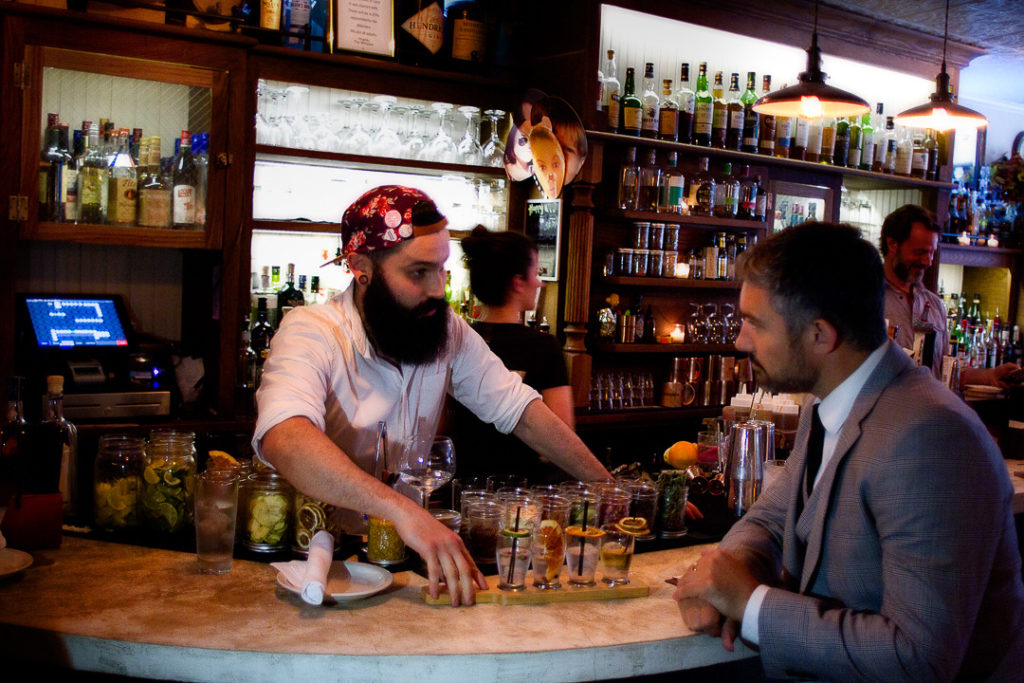
The appeal is not hard to understand once you spend time in these spaces. A strong Gin Bar NYC experience offers more than a drink list with extra martinis on it. It blends craft, theater, hospitality, and a sense of discovery. Guests can compare botanical profiles, talk to bartenders who know their distillation styles cold, and order a classic serve that feels anchored in tradition without feeling old-fashioned. In a city that rewards specialization, gin has found the perfect setting.
That popularity did not appear overnight. It grew from several overlapping shifts in drinking culture, restaurant economics, and customer taste. People have become more curious about what is in the glass. Bartenders have become far more fluent in educating guests without lecturing them. And bar owners have realized that a focused concept, when executed properly, can stand out in a crowded hospitality market better than a generic cocktail program ever could.
Why gin fits New York so well
Gin thrives in cities that move quickly. It offers range without requiring heavy explanation. A guest can order a bracing martini before dinner, a citrusy Collins on a warm evening, or a savory, herb-driven cocktail late at night and still remain within the same spirit category. That versatility matters in New York, where a single room may serve after-work regulars at six, date-night couples at eight, and hospitality industry crowds after midnight.
There is also a practical reason gin works here. Unlike darker spirits that often carry stronger expectations around age statements, region, or traditional service, gin invites experimentation while still keeping one foot in classicism. A bar can stock a London dry, a modern floral gin, a navy strength bottle, and a local small-batch expression, then build distinct drinks around each one. The category rewards curation. New Yorkers tend to notice curation.
You see this especially in bars that avoid the trap of making gin feel overly academic. The best ones understand that education should happen naturally, often through a brief exchange at the bar. A guest says they usually drink tequila, whiskey, or vodka. The bartender asks a couple of smart questions, perhaps about citrus, herbs, bitterness, or texture, and then guides them toward a drink that makes sense. When that interaction is done well, it converts hesitant drinkers into repeat visitors.
The city’s dining culture helps too. Gin pairs unusually well with food, particularly the kinds of menus that perform well in New York: oysters, crudo, roast chicken, cured fish, seasonal vegetables, fried small plates, and sharp cheeses. A well-made gin and tonic can cut through richness better than many wines. A martini can make a seafood tower feel even more celebratory. A gimlet with real lime can wake up a whole meal.
From neglected back bar bottle to star of the menu
For years, gin had a split reputation. Among enthusiasts, it was the foundation of some of the greatest cocktails ever made. Among less engaged drinkers, it was sometimes pigeonholed as too piney, too dry, or vaguely old-school. That gap mattered. Spirits categories live or die not only by quality but by perception.
What changed was not gin itself so much as the way bars presented it. Once the cocktail revival took hold in New York, bartenders began revisiting classics with discipline. They paid attention to temperature, dilution, glassware, citrus quality, and vermouth freshness. In the process, gin got a fair hearing. A martini stirred with precision and served properly does not resemble the careless version many people had written off years earlier.
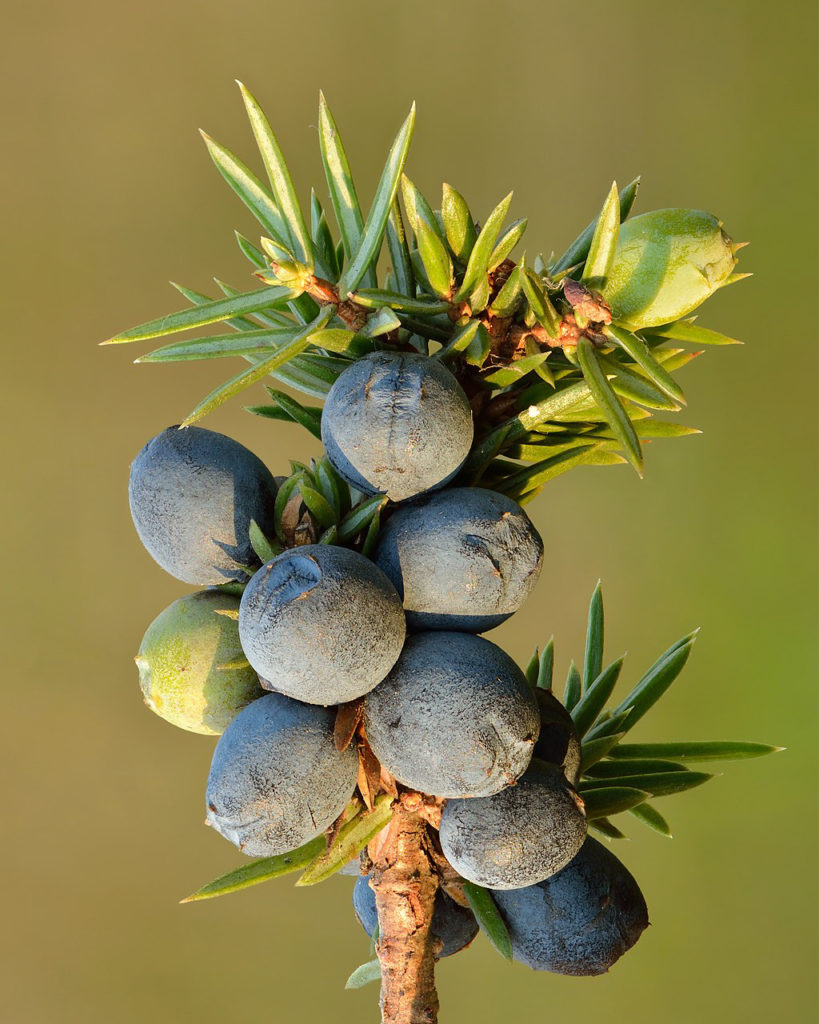
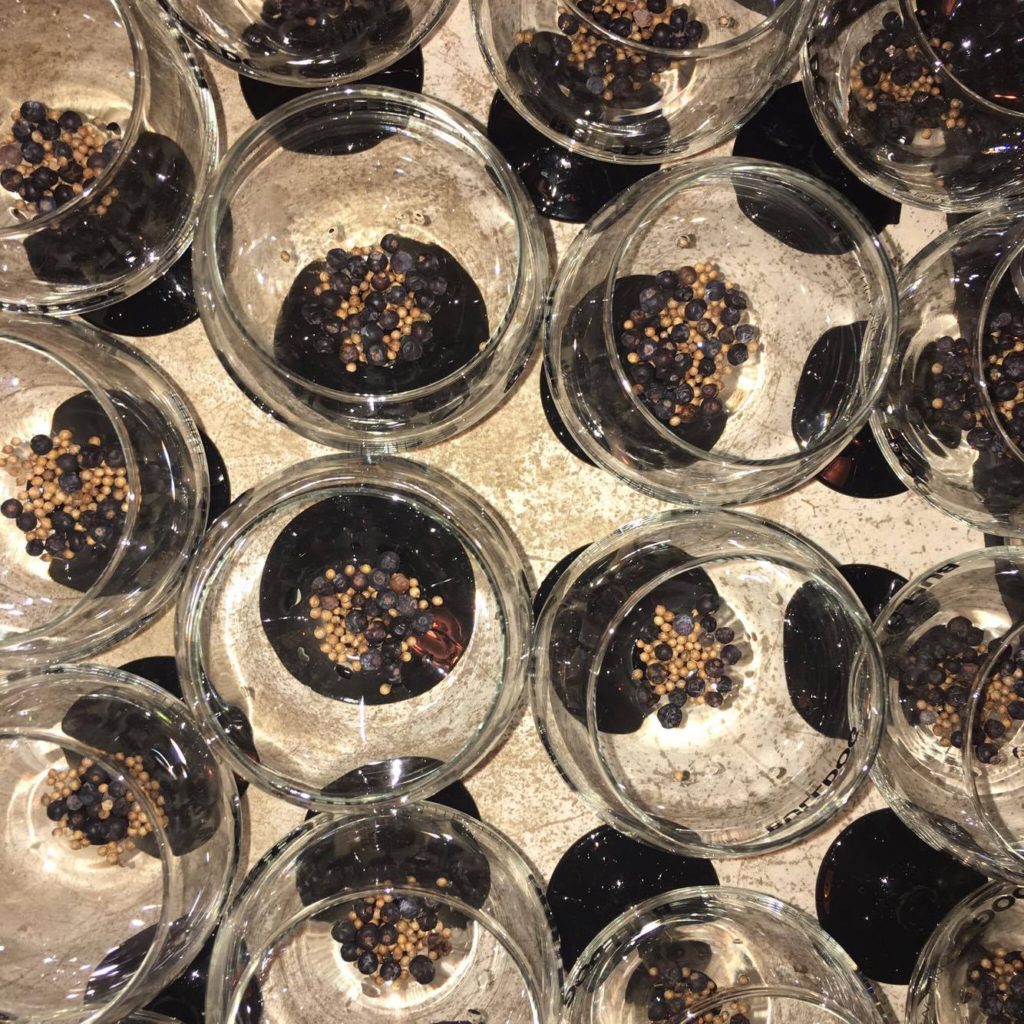
Around the same time, distillers broadened what drinkers thought gin could taste like. Juniper remained essential, but it no longer had to dominate every bottle in the same way. More producers highlighted botanicals such as citrus peel, coriander, angelica, orris root, lavender, peppercorn, rosemary, olive, cucumber, and local herbs. Some expressions leaned bright and lean, others soft and perfumed, others savory. For bar programs, that opened a great deal of creative territory.
The result was a category that could feel classic to one customer and exploratory to another. That dual identity is powerful in New York. Plenty of patrons want something they recognize, but they also want a reason to feel they discovered a place before everyone else did. A gin bar can satisfy both Gin Bar NYC instincts at once.
The role of atmosphere in a great Gin Bar NYC destination
If you strip away the labels and the cocktail language, people still choose bars for how those rooms make them feel. Gin bars that thrive in New York rarely succeed on beverage quality alone. They create a specific atmosphere, and atmosphere is where many operators distinguish themselves.
Some lean into old New York cues: low light, polished wood, pressed tin, compact tables, crystal-clear ice, bartenders in jackets, music that supports conversation rather than competing with it. In that environment, a martini arrives not just as a drink but as part of a mood. Other venues take a cleaner, more contemporary approach, with pale stone, minimalist shelves, European aperitif influences, and menus that move seamlessly from spritzes to martinis to seasonal gin sours. Both can work. The common thread is coherence.
A successful room also knows how to manage pace. Gin bars often do well when they avoid turning every order into a seminar. Guests appreciate expertise, but they also appreciate rhythm. On a busy Friday, a bartender who can explain the difference between two London dry gins in fifteen seconds will often win more goodwill than one who delivers a two-minute monologue while tickets pile up. Hospitality in New York depends on timing almost as much as taste.
There is another subtle factor: glassware and garnish. It sounds minor until you watch guests react. A large copa glass with fresh herbs and citrus can make a simple gin and tonic feel festive. A stemmed martini glass, properly chilled, signals care before the first sip. Even the choice between a lemon twist and an olive changes not only flavor but the emotional register of the drink. Good gin bars understand that these details are not decoration. They are part of the product.
The modern drinker is more curious, but less patient
One of the clearest reasons for the expanding popularity of gin bars is the change in how people order. Many customers now arrive with enough baseline knowledge to ask better questions. They know the names of classic cocktails. They understand that gin styles differ. They may have had a memorable martini on a previous trip, or a favorite local distillery they want to see represented. That curiosity benefits a specialized bar.
At the same time, modern drinkers tend to have a lower tolerance for pretension. They want skill, but they do not want to feel tested. This is an important balance for any Gin Bar NYC operator. The category can become intimidating if the room treats every menu note as an exam. The better bars avoid that mistake. They translate complexity into comfort.
I have seen this play out at crowded bars where one guest orders a textbook fifty-fifty martini while another asks for “something crisp, not sweet, maybe with grapefruit.” If the bar can serve both people gracefully, it has understood the moment. The audience for gin is now wider than the old enthusiast crowd. That wider audience is one reason these establishments keep multiplying.
Another useful shift has come from people drinking less volume but expecting more quality. Instead of staying out for six mediocre rounds, many guests prefer two excellent drinks in a setting that feels worth the spend. Gin bars are well positioned for that pattern because the category delivers nuance without requiring expensive aging or luxury branding to justify attention. Quality can be evident in freshness, balance, and service.
How menus have evolved beyond the obligatory gin and tonic
The stereotype of the gin bar is a place with endless tonics and little else. In practice, the strongest programs in New York are far more layered. They use the category as a lens rather than a gimmick.
Classic cocktails remain the backbone, for good reason. The martini, negroni, gimlet, French 75, Tom Collins, and Martinez still anchor many menus because they showcase gin’s structure cleanly. But the real growth has come from modern variations that borrow from kitchen ingredients and seasonal thinking. You now see drinks built around preserved citrus, green herbs, saline solutions, tea infusions, dry sherries, pepper tinctures, clarified fruit, and low-sugar aperitif profiles. These choices reflect a broader move away from syrup-heavy cocktails toward drinks with sharper edges and greater drinkability.
That matters in a city where many customers are balancing a bar visit with dinner plans, a second venue, or an early workday. Heavy cocktails can wear out their welcome fast. Gin’s natural lift makes it easier to build drinks that feel composed rather than tiring.
There is also a commercial logic at work. A bar centered on gin can offer strong diversity across price points. A straightforward gin and tonic or house martini remains accessible, while premium pours, vintage-style serves, and rare bottlings create higher-end options for guests who want them. This range helps bars appeal to different spending habits without seeming scattered.
Neighborhoods shape the style of the experience
Not every part of New York drinks the same way, and the rise of gin bars reflects that. A compact downtown spot may emphasize energy, minimal intervention, and a tightly edited menu that turns tables efficiently. An Upper East Side room may favor polish, consistency, and martinis ordered by name and ratio. In Brooklyn, it is common to see a broader intersection between local distilling, natural wine sensibilities, and food menus that treat the bar as a full evening destination.
These differences are not cosmetic. They affect staffing, product mix, and customer education. A neighborhood with high tourist turnover may need a menu that communicates quickly and clearly. A neighborhood built on repeat regulars can afford more nuance, because the staff has time to build shared vocabulary with the guests. Some bars become known for one ideal serve and protect it fiercely. Others rotate seasonal gin cocktails aggressively to keep a local audience engaged.
Rent and real estate also shape the format. In smaller spaces, a focused identity is often essential. You cannot be everything in a narrow Manhattan footprint. Specialization helps the room make sense. When a guest steps inside and immediately understands the point of view, that clarity becomes part of the value proposition.
What separates a serious gin bar from a trendy one
The market has matured enough that not every place with a few botanical cocktails deserves the label. A serious gin bar usually reveals itself through discipline more than novelty.
Fresh vermouth is one tell. If a bar cares about martinis, it will store fortified wines correctly and move through them at a reasonable pace. Ice is another. Clear, dense ice affects dilution and temperature in ways that matter, especially for spirit-forward drinks. Tonic selection matters too, though not in the simplistic sense of carrying the most brands. What matters is understanding which tonic suits which gin and why.
Service rituals count. They do not need to be theatrical, but they should be intentional. A bartender who tastes a batch, checks glass temperature, and adjusts garnish with purpose is usually working in a place that takes the category seriously.
A few qualities tend to stand out in the best rooms:
- The staff can guide both novices and enthusiasts without changing tone.
- The menu balances classics with original drinks that actually deserve the space.
- The gin range is curated, not bloated, with clear reasons for each bottle.
- Food, if offered, supports the drinks rather than feeling like an afterthought.
- The atmosphere matches the promise of the beverage program.
That combination is harder to execute than it looks. Many bars can manage one or two of these elements. Far fewer keep all five in alignment night after night.
The economics behind the trend
There is a romance to the rise of the gin bar, but operators still have to make the numbers work. Specialization can help. A defined concept gives marketing focus, improves customer recall, and can streamline purchasing. Staff training becomes more coherent when the team works deeply within a category rather than skimming across all spirits equally.
Gin also tends to offer favorable flexibility on the menu. It performs well in stirred drinks, shaken sours, long mixed serves, spritz structures, and low-ABV combinations. That breadth means a bar can design a menu that appeals widely while still maintaining a central identity. It also allows seasonal adaptation without reinventing the whole program every quarter.
There are costs, of course. Maintaining quality garnish, premium tonic, chilled glassware, and trained staff is not cheap. Neither is carrying a deep back bar if the concept depends on selection. And because martinis have become a kind of shorthand for taste and status in New York, guests can be especially demanding. A bad martini is remembered. A warm one, a cloudy one, or one poured into the wrong glass can undermine trust quickly.
The bars that endure are usually the ones that do not chase spectacle at the expense of repeat business. They know a viral drink may fill seats for a week, but consistency fills them for years.
Social media helped, but it did not create the movement
It would be easy to blame or credit social platforms for the popularity of gin bars, especially when glossy martinis and jewel-toned cocktails photograph so well. Certainly, visual culture has amplified the category. A cold coupe catching the light, a towering gin and tonic with a fresh rosemary sprig, or a silver tray carrying three identical martinis is easy shorthand for a certain urban sophistication.
Still, social media can only accelerate something that already works in person. If the drink is weak, the room too loud, or the staff disengaged, no amount of online attention will produce durable loyalty. The bars that convert first-time visitors into regulars are the ones that deliver substance after the photo is taken.
That is especially true in New York, where competition is relentless. Diners and drinkers have options on every block. A venue must give people a real reason to return, and the strongest gin bars do that by making the experience feel both elevated and effortless.
Why food matters more than many bar owners expect
One lesson many operators learn a little late is that a gin-heavy identity becomes much stronger when the food program is considered carefully. It does not have to be extensive. In fact, some of the most effective pairings come from compact menus. What matters is precision.
Salty, bright, and textural foods tend to shine here. Oysters and martinis are the obvious pairing, but there is much more range than that. Citrus-dressed vegetables, fried olives, anchovies on toast, shrimp, tartare, roast potatoes with aioli, and clean charcuterie boards often perform beautifully with gin. Even a simple roast chicken can become a smart house signature if the bar’s drinks lean herbal and savory.
A short food menu can do several jobs at once:
- It extends length of stay without pushing guests into a full dinner commitment.
- It supports higher beverage sales by encouraging second rounds.
- It broadens the audience to include people who want a lighter evening out.
- It reinforces the bar’s point of view when flavors echo the drinks.
Bars that ignore this often leave money, and momentum, on the table.
Where the category is heading next
The next phase of the Gin Bar NYC scene will likely be defined less by novelty and more by refinement. The basic idea has proven itself. Guests understand the appeal. What they will reward now is execution that feels specific.
That may mean tighter martini programs with more transparent style options, perhaps house freezer martinis, clearer vermouth choices, or tableside finishing touches that serve flavor rather than theater. It may mean deeper collaboration between kitchen and bar, where cocktails are built with the same ingredient discipline as the food. It may also mean more attention to lower-ABV and no-proof options that sit comfortably alongside gin rather than competing with it.
There is room for local distillers to play a larger role as well, especially when bars can tell a regional story without turning every menu into a lecture on provenance. New Yorkers tend to appreciate local production when it is tied to quality, not just branding.
Most of all, the category’s staying power will depend on whether bars continue to understand what guests are really buying. They are not only buying gin. They are buying confidence in the bartender, a room with a point of view, and a drink that feels cleaner, sharper, and more intentional than what they could have made at home. That is why the trend has lasted longer than many expected.
A good gin bar gives the city one of its favorite feelings, the sense that something familiar has suddenly become richer once you look at it properly. That is a very New York kind of pleasure, and it explains a great deal about why these bars keep filling up.
The Winslow
243 E 14th St
New York, NY 10003, United States
Phone: +1 212-777-7717
FAQ About Gin Bar NYC
How to do a gin tasting?
Start with a small pour and gently smell the gin before taking a small sip. Notice its juniper, citrus, floral or spice notes, then compare how the flavor changes with a little water or tonic. At a gin bar, ask the bartender to explain the selection and botanical pairings.
How to make the best tasting gin and tonic?
Use chilled gin, fresh tonic and plenty of ice. A common starting ratio is one part gin to two parts tonic, adjusted to taste. Choose a garnish that complements the gin's botanicals and stir gently to preserve the bubbles.
What is the smoothest tasting gin?
There is no single smoothest gin for everyone. Perceived smoothness depends on the botanical recipe, alcohol strength, serving temperature and mixer. Describe whether you prefer citrus, floral, herbal or juniper-forward flavors so a bartender can suggest a suitable style.